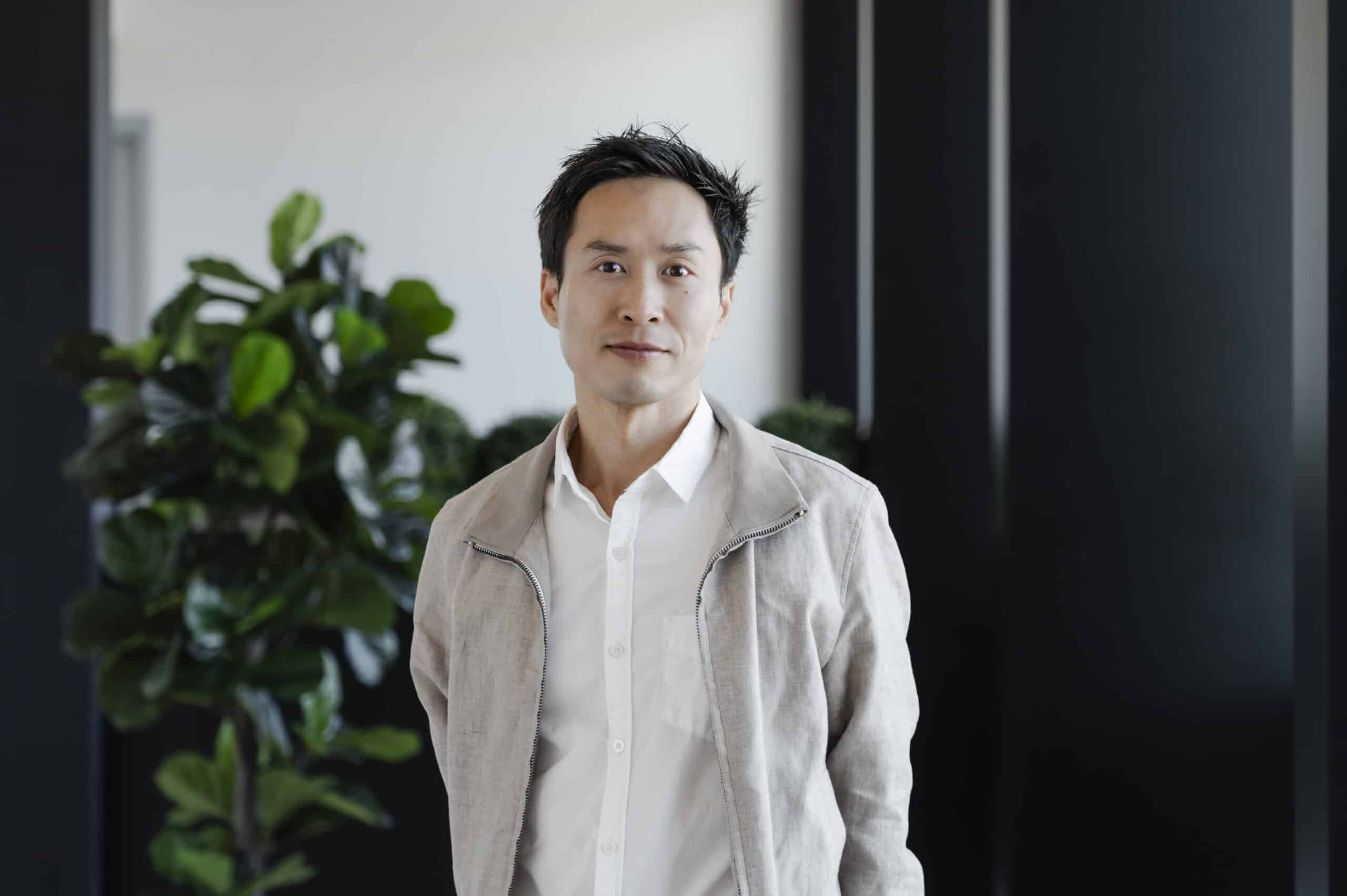
Dr Bo He, a mid-career researcher at the Harry Perkins Institute of Medical Research and The University of Western Australia, was recognised as Cancer Council WA’s 2026 Cancer Researcher of the Year at for his pioneering work improving the effectiveness of immunotherapy.
Dr He and his team, in the Cancer Microenvironment lab at the Perkins, have discovered that by reprogramming cells surrounding tumour blood vessels, it was possible to create pathways for immune cells to enter and attack cancer.
Bo understands that the award recognises his innovative cancer research and it is a tremendous honour – but the award is very much a team effort.
“Although I am the person receiving the award, it reflects the contributions of my colleagues, research and clinical collaborators, consumer partners, and the organisations and community members who support us,” he said.
“Their expertise, trust and encouragement have made our progress possible.
“This award recognises what we have achieved so far, but it also marks a new beginning.
“It gives us greater confidence and motivation to take the next steps, particularly as we translate our laboratory discoveries into clinical trials that could deliver visible benefits for cancer patients.
“I also hope this award sends an encouraging message to every cancer researcher.
“Research often requires many years of persistence, teamwork and problem-solving before its impact becomes visible. This recognition shows that these efforts matter and that valuable work will be seen, supported and appreciated.”
Dr He’s research aims to make immunotherapy work better, particularly for hard-to-treat cancers such as pancreatic cancer and glioblastoma.
“I have developed a novel therapeutic approach,” he said. “It works by repairing abnormal tumour blood vessels, allowing cancer-killing immune cells to enter tumours more efficiently and form immune hubs within the cancer. These immune hubs help coordinate a stronger and more effective attack on the cancer from within.
“A major strength of my research is that it has the potential to be applied beyond a single cancer type and may help make existing immunotherapies effective for a broader group of patients.
“This research is now progressing towards an early-phase clinical trial for patients with glioblastoma, the most common and aggressive primary brain cancer.
“The trial will investigate whether our approach can repair leaky tumour blood vessels, reduce tumour-associated brain swelling, thereby improving patients’ quality of life, and support a stronger response to immunotherapy.
“Importantly, my work also seeks to address inequities in treatment options, treatment outcomes and quality of life for people with hard-to-treat cancers.
“If the glioblastoma trial is successful, we aim to apply the same translational pipeline to other hard-to-treat cancers, bringing new treatment possibilities and hope to more patients and their families.”
Perkins CEO, Professor Peter Leedman AO congratulated Dr He on his well-deserved award.
“This award recognises Dr He’s contribution to cancer research and I look forward to seeing the outcome of his research and clinical trials,” he said.
“This approach is giving WA patients access to a promising new treatment strategy and represents an important step towards more effective cancer therapies.”
Dr He joined John Curtin Emeritus Professor Lin Fritschi who was awarded the 2026 Professor Bruce Armstrong Cancer Research Career Achievement Award and Dr Allison Barraclough from South Metropolitan Health Services and Fiona Stanley Hospital who was recognised as 2026 Early Career Cancer Researcher of the Year.