Collaborate with expert scientists to develop WA’s first specialty research pipeline to test natural organisms for their disease-fighting properties and support discoveries from lab bench to patient bedside.

The Biota Pipeline
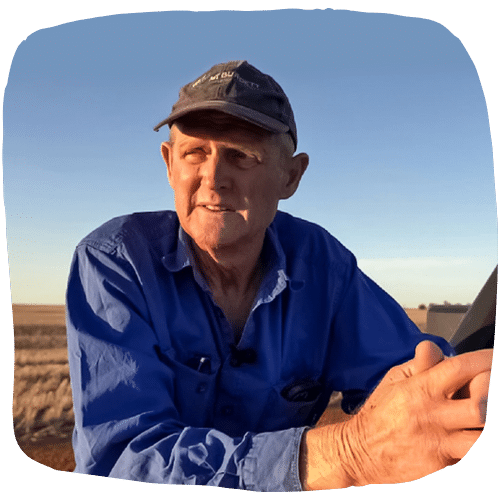
The Biota Pipeline was born from one man’s love of nature as a resource, comfort and most importantly healer. Chris Reichstein did not live to see his legacy come to life, but you can help make this happen in his honour.
The natural world has been a rich source of medicines for thousands of years. WA has one of only two Global Biodiversity Hotspots in the country—containing the highest concentration of rare and endangered species. Many of these are known to have medicinal properties.
Chris’s vision was to push medical research forward through the power of the natural world. Through his Mount Burdett Foundation, his gift to medical research has helped establish the Biota Pipeline.
Your help is needed to bring his vision to life.
Lifesaving Biota Research
Project A:
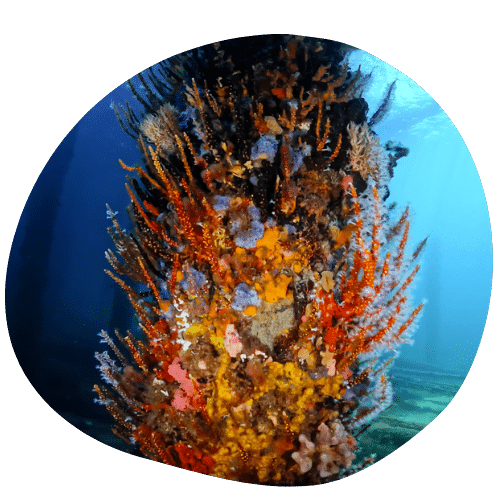
Busselton Jetty Sea Sponges
Associate Professor Gavin Flematti works to identify and characterise the unique chemical compounds of sea sponges found under the Busselton Jetty. A/Prof Flematti and his team have discovered a range of novel compounds produced by sea sponges, which exhibit anti-inflammatory, antiviral and anticancer activities.
Your support through the Biota Pipeline could help advance A/Prof Flematti’s work and open up new avenues for life-altering drug discovery.
Project B:
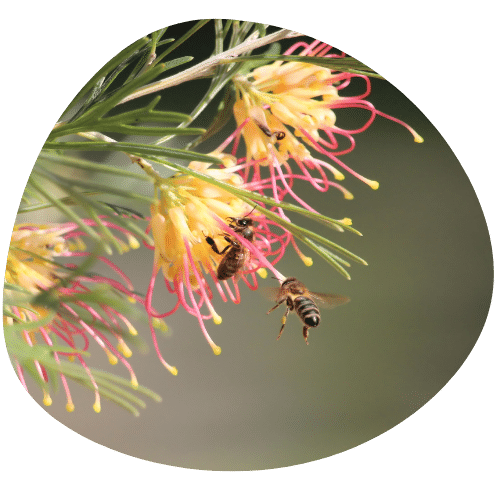
Honeybee Venom as Breast Cancer Treatment
Using the venom from 312 honeybees and bumble bees in Perth, Ireland and England, Perkins researchers discovered a peptide in bee venom that could kill cancer cells in hard-to-treat triple negative and HER2 breast cancers, leaving healthy cells untouched. Since this discovery was published in 2020, researchers have synthesised the cancer-killing compound of bee venom, melittin, and are now working to test different formulations to find the most effective treatment for patients.
Your support of the Biota Pipeline could help advance Dr Wang’s research from pre-clinical to clinical trials, getting an effective treatment to breast cancer, ovarian cancer and prostate cancer patients sooner.
Project C:
Shark Bay Sea Cucumbers
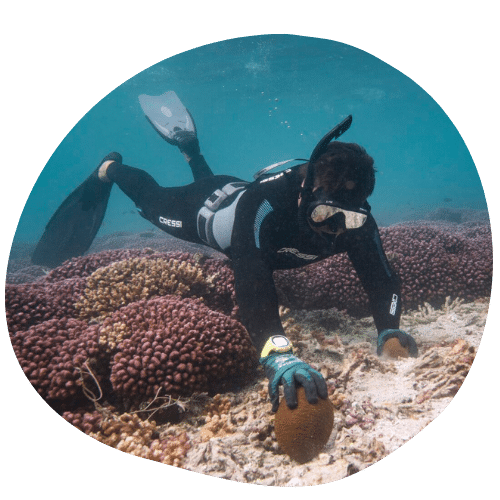
Professor Kevin Pfleger, Group Leader of the Perkins Molecular Endocrinology & Pharmacology lab, is working with Tidal Moon, an Indigenous-owned aquaculture operation across three remote Aboriginal communities along WA’s northern coastline between Mulgana / Shark Bay and Thalanyi / Onslow. They aim to integrate aquaculture of Shark Bay sea cucumber species with the search for novel active compounds in the venom that may form the basis for new drug development, establishing a unique WA biotechnology.
Your support of the Biota Pipeline means expert specialist resources can be harnessed to support potential drug discovery and reach cancer patients sooner. You’ll also provide economic, employment and education capacity building for remote Aboriginal communities.
Project D:
Agriculture in Space
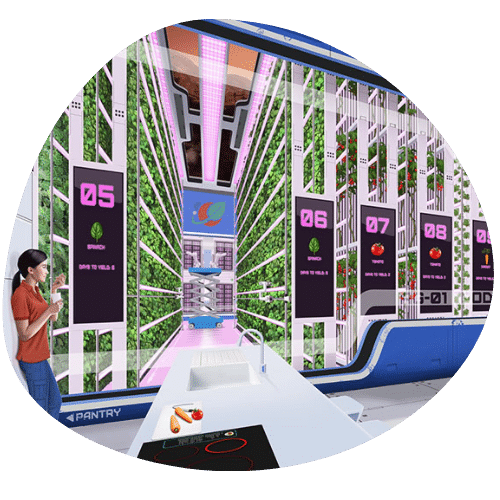
Professor Ryan Lister, Head of the Perkins Genome Biology and Genetics Diseases Program, is involved in ground-breaking research on genetic editing to enhance the design of plants. The primary objective of the “Plants for Space” research centre is to develop innovative plant varieties and production systems that will provide sustainable nutrition and on-demand production of medicines in space, without the need for resupply missions from Earth.
While the vision of growing genetically engineered plants on Mars is still a distant goal, your support of the Biota Pipeline will help Prof Lister and his colleagues pave the way for future medical breakthroughs.
How do I find out more about Biota?
You can help bring the Biota Pipeline vision to life with a tax-deductible gift to fund WA’s brightest minds working on the hardest to treat diseases, backed by the power of nature.
The Biota Pipeline, established in Chris’s honour, is a lasting legacy with the potential to discover treatments that will change medicine forever.
DOWNLOAD THE BIOTA PROSPECTUS
Contact us

For more information on how your support can make a difference, please contact:
Shelley Mason
Senior Manager, Key Relationships
Email Shelley
T: 0409 380 881
Western Australia's South West Ecoregion
The natural world has been a rich source of medicines for thousands of years. WA has one of only two Global Biodiversity Hotspots in the country, containing the highest concentration of rare and endangered species, many of which have been shown to have medicinal properties.
This untapped resource of potentially life-saving treatment is of keen interest to researchers around the world. The Perkins has the expertise and talent to bring Chris’s vision to life and with your help, we can build a robust pipeline to potential new treatments from discovery to clinical trials, and make them available to you and your loved ones.